What is Scoliosis?
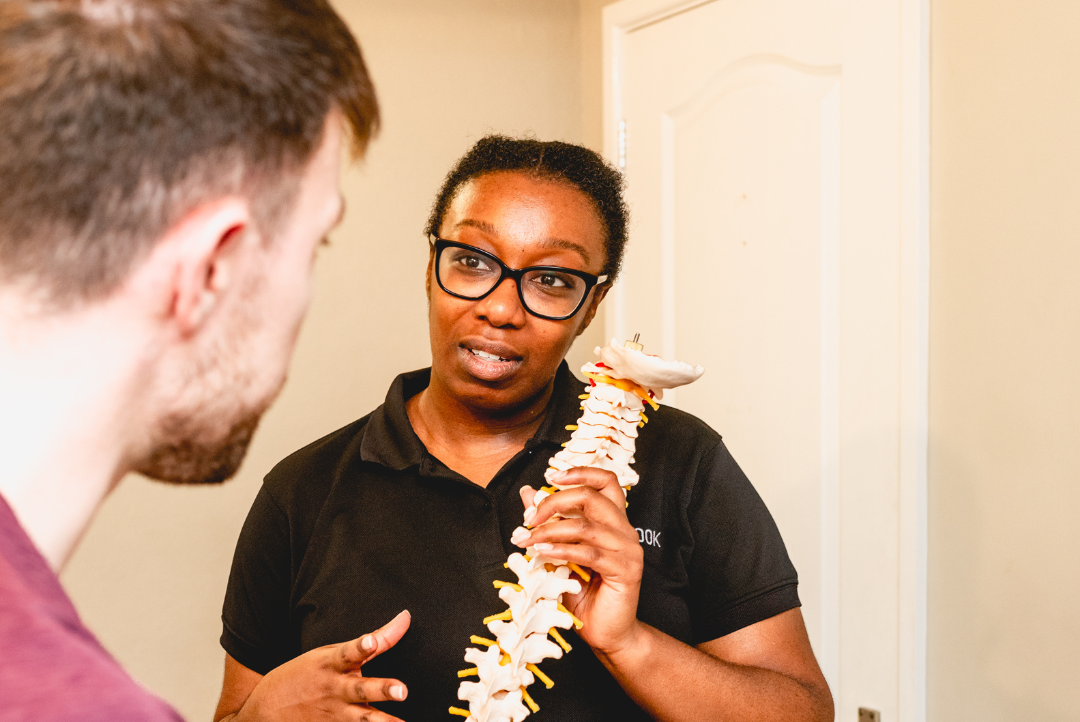
Scoliosis is a curvature of the spine, often presenting as a side-bend combined with a degree of rotation. It can appear in childhood, develop in adulthood through degenerative changes, or follow trauma or neuromuscular conditions.
The first signs of scoliosis typically include:
- Uneven shoulders
- Rib prominence
- A shifted waistline
- Persistent back discomfort
But beyond posture, scoliosis affects how the body distributes load, engages muscles, and functions movement.
What Treatment is Available for Scoliosis?
There are many different treatment protocols for Scoliosis including:
- Regular check-ups with an orthopaedic specialist
- X-rays to monitor curve progression
- Posture and movement assessments
- Osteopathy
- Physiotherapy
- Pilates
- Schroth Method
- Braceing
- Mind-body work
- Strength and conditioning
- Surgical Intervention
Is a Scoliosis Fixation Necessary?
A common surgical intervention is known as a scoliosis fixation (often called spinal fusion surgery with fixation). This surgical intervention aims to correct spinal curvature and prevent further progression or the spinal curve. Surgeons use rods, screws, and bone grafts to realign and stabilise the spine.
Due to the intensity of this surgical intervention, Spinal fusion surgery with fixation is only performed if:
- The spinal curve is more than 45–50 degrees
- The curve is progressing
- Pain or lung function is significantly affected
- Non-surgical treatments are not effective
While fixation greatly reduces the progression of the spinal curve and can improve function, it also changes how the spine moves. Vertebrae above and below the fused segment typically work harder, and the surrounding muscles must adapt to a new postural and mechanical environment.
Common MSK Issues People With Scoliosis Encounter
Before Spinal Fusion Surgery with Fixation many individuals with Scoliosis may experience some or all of the following symptoms:
• Muscular imbalance
Muscles located on the convex side of the spinal curve often overwork, whilst the muscles located on the concave side of the curvature are often under used and lengthened. This results in muscular imbalances and muscular fatigue, spasms and formation of muscular trigger points.
• Back, rib, and hip pain
Due to altered loading through the spine and pelvis, this can result in irritation of the spinal, pelvic and hip joints, increased tonicity of soft tissues, alongside potentially impeding on nerve pathways. Furthermore, rib rotation can cause costovertebral discomfort and difficulty or pain with deep breathing.
• Reduced mobility
The curvature and compensatory patterns often restrict spinal rotation, flexion, and extension, creating stiffness within the vertebral joints.
• Altered gait and balance
Scoliosis often results in uneven pelvic alignment and/or impact leg-length, typically leading to length discrepancies. This can lead to unadvantageous walking mechanics, sometimes causing knee or foot issues.
Following on from Scoliosis Fixation Surgery, individuals may continue to experience some discomfort such as :
• Stiffness above and below the fusion
This is because part of the spine is no longer mobile, nearby joints often compensate, which can lead to tightness in the soft tissue and/or reduced range of motion of nearby joints.
• Muscular fatigue and reconditioning needs
The spinal muscles need time to adapt to the new alignment and regain strength and coordination. In the healing and early phases the vertebral muscles may increase tone and tension until they have regained strength.
• Scar tissue tension
Surgical scars can affect local mobility, fascial glide, and sometimes nerve sensitivity. This can result in restrictions within the joints and muscles, altered sensation around the scar area alongside referred pain.
• Rib, shoulder, and pelvic discomfort
As posture changes post-fixation, old compensations may no longer work, leading to new muscular or joint strain.
How Osteopathy Can Help with Scoliosis
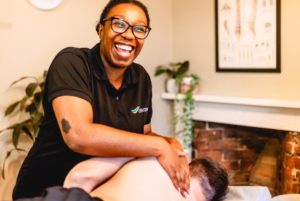
Osteopathy offers a gentle holistic approach of care, which is suitable to support all individuals with scoliosis. Osteopathy can offer both a manual and rehabilitative approach to scoliosis patients both before and after scoliosis fixation. Treatment is always tailored to the stage of your journey and aligned with your surgical team’s guidance.
Pre-operative Osteopathic Care
• Improving mobility
Gentle joint and soft-tissue techniques can help optimise movement where possible, reducing pain and compensatory strain on the joints, ligaments and muscles.
• Managing muscular imbalance
Targeted work on overactive muscles can reduce discomfort, while exercises help engage under active muscles using an individualised exercise rehabilitation plan. This will also aid recovery post-surgery if required.
• Supporting breathing function
Thoracic and rib-focused treatment can improve respiratory mechanics, beneficial for pre-op conditioning and post-op recovery.
Post-operative Osteopathic Care
• Improving movement in non-fused areas
Gentle mobilisation can help the spine, ribs, hips, and shoulders adapt to their new roles without overstraining.
• Scar tissue and fascial work
Once appropriate, soft-tissue techniques can help reduce tightness and support more comfortable movement around the scar. At Ebrook Osteopathy we also have the Lymphatouch Machine designed to help with swelling and scar tissue recovery.
• Restoring muscular balance
Exercises and hands-on treatment help re-educate the muscles that support posture, balance, and walking patterns. At Ebrook Osteopathy we are very lucky to have our very own Reformer Pilates and Mat Pilate Studio next door to help with regaining core strength, spinal strength and muscular rebalancing.
• Enhancing overall function and confidence
Patients often report improved ease of movement, better posture awareness, and greater comfort during daily activities following Osteopathic treatment that includes both manual and rehabilitative care.
Osteopathy as Part of a Multidisciplinary Approach
While osteopathy cannot reverse scoliosis itself, it plays a meaningful role in aiding function, muscular strength and balance and quality of life. Working alongside surgeons, physiotherapists, and rehab specialists ensures a safe, well-rounded recovery and long-term management plan.
Scoliosis and scoliosis fixation are a complex and deeply individual experience. Osteopathy provides a supportive framework that respects the mechanical, neurological, and emotional aspects of living with scoliosis. Whether preparing for surgery or adapting to life afterward, gentle, patient-centred osteopathic care can make a significant difference.