
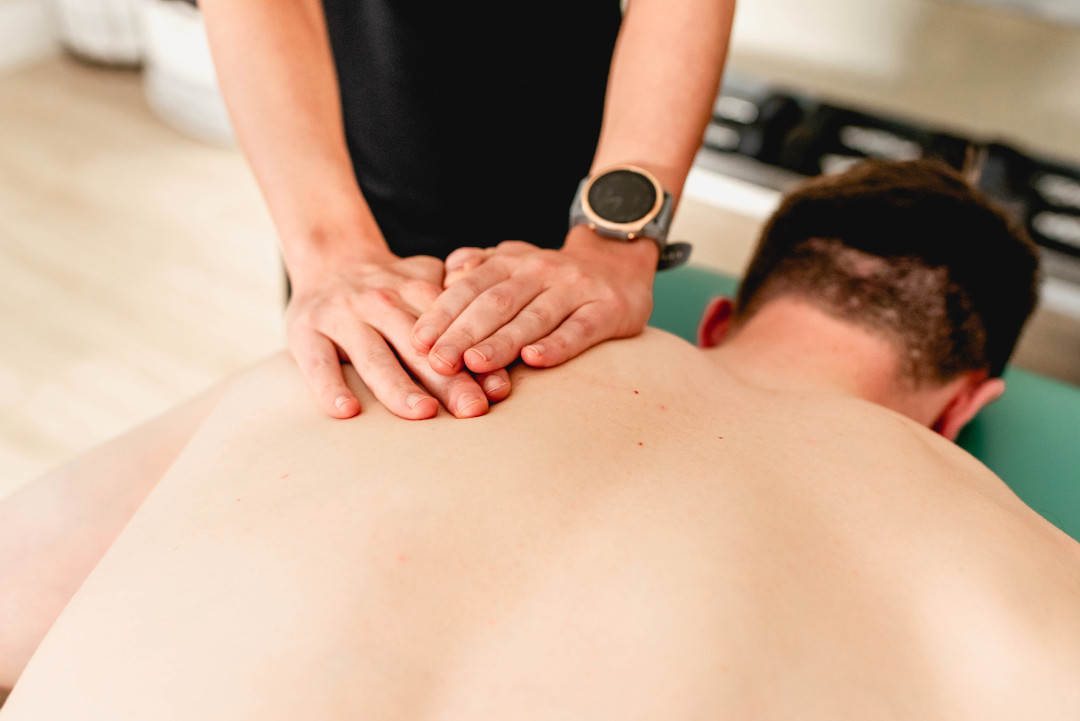
Sports Therapists are able to use the following tools and strategies in their treatments;
Many people consult with a sports therapist as part of their regular recovery efforts. If you’re in a training plan for a sporting event, running or cycling race, triathlon, sports season, or any other physical challenge – working with a sports therapist could give you the competitive edge.
Sports Therapy is much more than just sports massage, but we understand that for some patients this is as much as they would like. A regular sports massage in Sutton Coldfield can be a useful tool in helping to sustain your efforts in exercise by giving you an additional facet to your recovery between workouts. Many people visit out sports therapists in clinic simply for a 4 or 8 weekly sports massage, and feel great benefit from doing so.
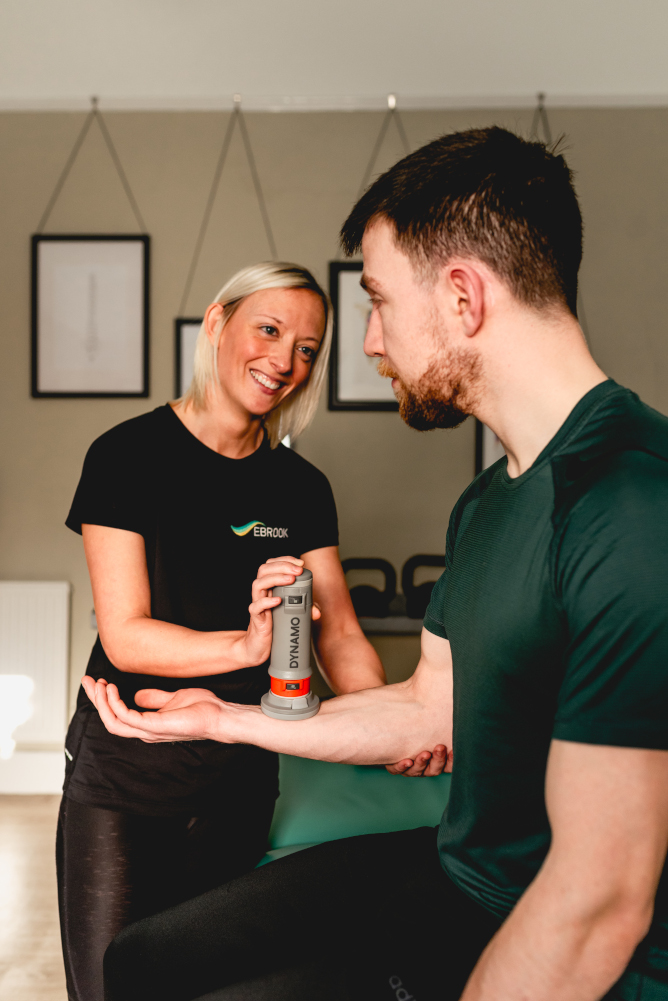
For this reason, we book time with our Sports Therapists by 30 or 60 minute appointments. We recommend that all patients attending for the first time book a 60 minute appointment, so that your practitioner has enough time to get to know you and your desired treatment outcomes, while retaining a good portion of the appointment for treatment too!


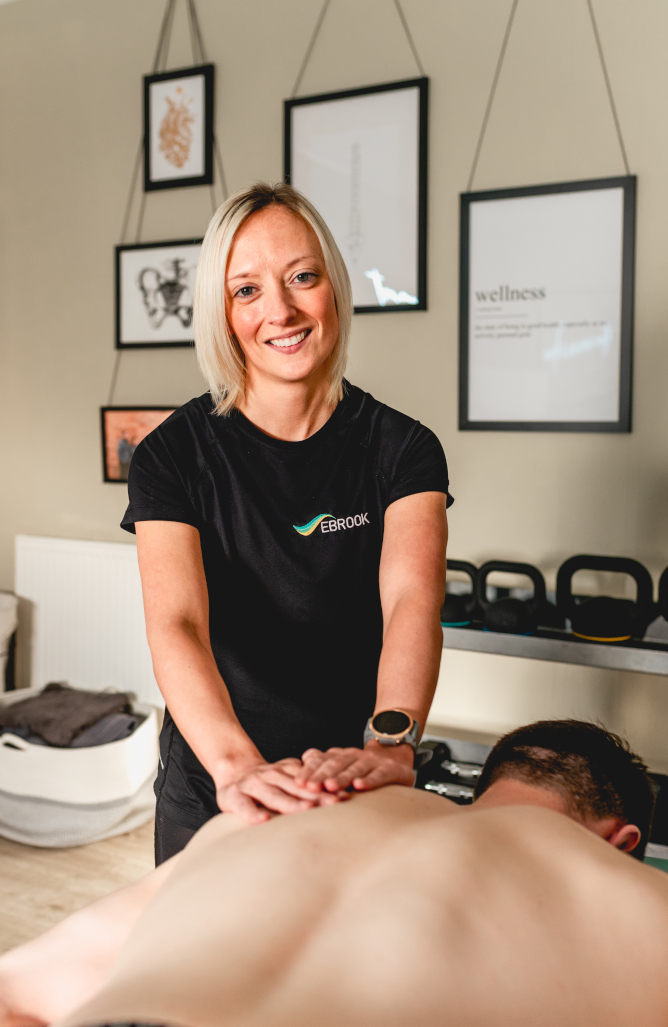
Begin will a full assessment with your Sports Therapist. Talk through your training and recovery routines, and isolate where your performance could be aided to improve. Your practitioner will highlight any areas of asymmetry or weakness that could pose an injury risk, then work to optimise those with a strength and conditioning plan.
When you attend your next appointment, your practitioner will discuss the plan with you in detail before practicing the exercises included to make sure your form and understanding are correct. This is your time to ask questions, so don’t be shy!
After a week or so, your practitioner will arrange a progress call to check how your plan is progressing. This is an opportunity to make any amendments needed, so that your plan is as effective as possible. You can discuss which exercises are working well, and which ones may need small changes. You can update your practitioner about your training progress, and any success measures you have seen in the first couple of weeks.
A final face-to-face appointment will be arranged to re-test and ascertain the results of the program. This will determine your practitioner’s ideas about what comes next, but ultimately give you solid data about the improvements gained from your strength and conditioning program.
Sports Therapists have a wide knowledge base around injury diagnosis and rehabilitation, which is lacking in a simple Sports Massage qualification. Sports Therapists are trained to help people overcome injuries and barriers in their sporting performance. They are able to plan graded treatment and exercise programs to help their patients progress in their chosen sports, whereas Sports Masseuses have a strictly manual approach.
Sports Therapists have a wide skill set at their disposal! Sports Massage techniques, stretching and joint articulations make up the bulk of their manual skill set. Then they often have medical acupuncture, kinesiology taping, and strapping qualifications. Ebrook Sports Therapists are able to use our in-clinic technology to accurately measure your strength and range of movement, which helps to inform their treatments. All Sports Therapists will use Rehabilitation Exercise as part of their treatment approach, and this can include mobility training, strength and conditioning work, agility or plyometric exercise programs, depending on what their patients are hoping to achieve.
Sports Therapists can help people with pain and injury from a variety of causes. Some of the conditions they see commonly in clinic include: shoulder pain and injuries, rotator cuff tendon injuries, rotator cuff tendinopathy, biceps tendonitis, tennis elbow, golfers elbow, hip pain, hamstring tendinopathy, hamstring strains and tears, gluteal tears and tendonitis, quadricep strains, patellar tendonitis, meniscal injuries, cruciate ligament injuries and tears, collateral knee ligament injuries, ankle sprains, Achilles tendonitis, plantar fasciitis, heel spurs and many more!