
To reword a phrase from Game of Thrones; I Sprint, and I Throw Stuff. At 50 years old, I’ve spent more than half my life competing in track and field. That’s 22 years of early mornings, sore muscles, personal bests, and hard-earned wisdom. The sport has been a constant companion—one that’s taught me discipline, resilience, and the art of adaptation. As the years have passed, my training has shifted dramatically. What worked in my 20s doesn’t cut it now, and that’s not a bad thing. It’s just evolution.
Training Smarter, Not Harder
In my younger days, training was all about intensity. I chased speed with relentless intervals, heavy lifting, and minimal rest, and poor sleep. Recovery was an afterthought—something I’d “get to” when my body forced me to slow down. Back then, I could bounce back from almost anything, including a strenuous 24/7 shift pattern. Now, I train with precision and purpose.
These days, I prioritise mobility, technique, and efficiency. I’ve reduced my sprint volume and swapped some of the high-impact work for low-impact alternatives like the cross-trainer, plyometrics and cycling. Strength training is still an absolute staple, but it’s more functional, focused on joint stability and core strength rather than brute force. I’ve also embraced dynamic warm-ups and cooldowns as essential parts of every session. They’re no longer optional; they’re non-negotiable.
Injury Prevention: Listening to My Body
Injuries used to feel like bad luck. Now I see them as feedback. Over the years, I’ve dealt with hamstring strains, Achilles flare-ups, and the occasional knee rebellion. Each one taught me something: about biomechanics, about overtraining, and most importantly, about humility.
To stay ahead of injury, I’ve built a solid prehab routine. Plyometrics, mobility drills, and resistance band work are part of my daily ritual. I also pay close attention to my footwear – rotating shoes regularly and choosing models that fit my feet and allow them to work to retain strength, not do the work for me. I’ll have another blog about that soon. As much as I’d love to have the mindset to pound the streets for miles to build endurance for running, I get bored, so little and often works for me. High intensity with resistance for short stints, little and often. Sometimes as short as 20 minutes.
The biggest shift? I’ve learned to respect rest. If something feels off, I don’t push hard through it. I adjust my training, and I come back stronger. I feel more “niggles” than I used to, it takes much longer to warm-up and prepare my body for what I’m about to do, but if I follow the plan, I still run 100m within a second of where I was 20 years ago.
Recovery: The Unsung Hero
Recovery used to mean a protein shake and a nap. Now, it’s a full strategy. Sleep is the number one recovery tool. Aim for 7–8 hours a night and protect that time fiercely. When I don’t do this, I really notice it. A good bedtime routine is essential.
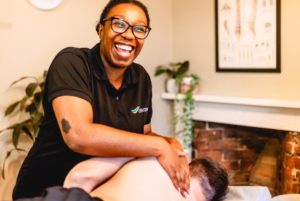
After tough sessions, I no longer use contrast showers or ice to reduce inflammation, these have been shown to reduce cell repair, so a good recovery run and stretch works well. Active recovery days mean light jogs, or a bit of yoga, are built into my weekly schedule, and a sports massage or Osteo appointment each month resets me and helps me anticipate arising issues. They keep me moving without overloading my system.
Mental recovery matters just as much. I take time to unplug, reflect, and reconnect with why I train. I’ve had a mindset shift and I’m no longer chasing performance but enjoying the process to see where it takes me, honouring longevity. It has made a difference. How good can I be in this moment, in this body, in these circumstances.
The Road Ahead
Track and field is not just a sport to me, it’s a lifelong pursuit. Competing at 50 doesn’t mean trying to be who I was at 28. It means being the best version of who I am now. My training has matured, my body has changed, and my goals have evolved. But the fire is still there.
If you’re an older athlete, or someone wondering if it’s “too late” to start, let me say this: it’s never too late. The key is to adapt, to listen, and to treat your body like the partner it is. Age isn’t a finish line – it’s just another lap.