What is Diastasis recti abdominis?
Diastasis recti abdominis (DRA) is the separation of the rectus abdominis muscles due to the widening and thinning of the Linea alba. This can happen in both male and females, although is more commonly associated with the pregnant population (Donnelly 2018).
During pregnancy the uterus grows in size to accommodate the growing foetus. This increase in size places pressure on the rectus abdomisis which cause the Linea alba to widen and thin. This is called the inter-rectus distance (IRD). A separation of greater than 5cm is classed as a serve IRD. Conservative management is best practise, although occasionally surgical intervention is required.
During pregnancy, by the second trimester 33% of women present with an increased IRD, and by the end of the third trimester, 100% of women have an IRD (Da Mota et al., 2015).
Its important to recognise the biopsychosocial aspect of DRA. The impact includes:
- Physical wellbeing and function – abdominal wall function may be compromised such as sit up action/strength and rotational force.
- Psychological wellbeing –DRA impacts how women feel about their body image and self-confidence.
- Social wellbeing – anxiety may surround the comments about their abdominal appearance and social opinions on management. Which can create confusion about what is right and what’s wrong depending on who your talking to, who they heard it from, and where there heard an opinion from… the chain goes on!
How to help a DRA?
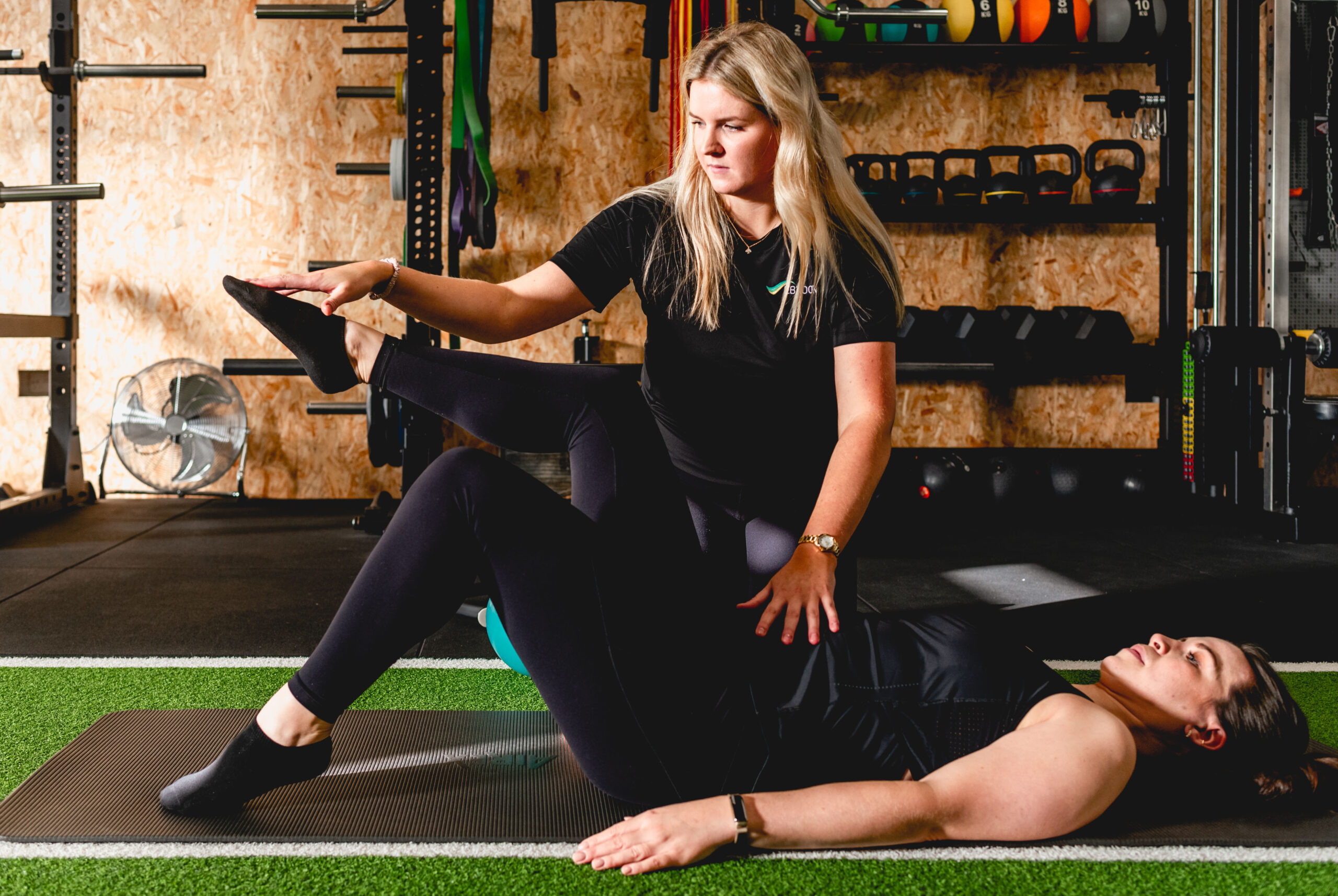
Working with a healthcare specialist to ensure your build up your core gradually. Previously we aimed for dome free abdominal movement, although recent evidence suggests that we should not worry too much about it, and instead focus on load management. If the exercise feels like you are straining and you’re struggling to maintain it, then it is probably sensible to regress it.
For example, if you normally squat 80kg and you had a period of time off, then decided to squat 80kg again straight away, you probably will struggle. Instead, the exercise needs to be tailored to you and you need to build up your strength within your capacity.
If you are post-partum and looking to rebuild your strength following childbirth, book in to see a health care specialist to ensure you’re getting treatment tailored to you. Matwork Pilates or Reformer Pilates are also great options for rebuilding strength, and a post-partum specific class is a great place to start. At Ebrook we offer two classes tailored for post-partum mums, mums in motion and mums in progress. Give us a call today to find out more!

For further information:
https://www.nhs.uk/conditions/baby/support-and-services/your-post-pregnancy-body
https://thepogp.co.uk/_userfiles/pages/files/journals/124/don3l3w21sx8.pdf
https://thepogp.co.uk/_userfiles/pages/files/journals/134/07_dufour.pdf
References:
Da Mota, P. G. F., Pascoal, A. G. B. A., Carita, A. I. A. D., & Bø, K. (2015). Prevalence and risk factors of diastasis recti abdominis from late pregnancy to 6 months postpartum, and relationship with lumbo-pelvic pain. Manual therapy, 20(1), 200-205.
Donnelly, G. (2018). Diastasis rectus abdominis: Physiotherapy management. Accessed on, 16(11), 2020.