
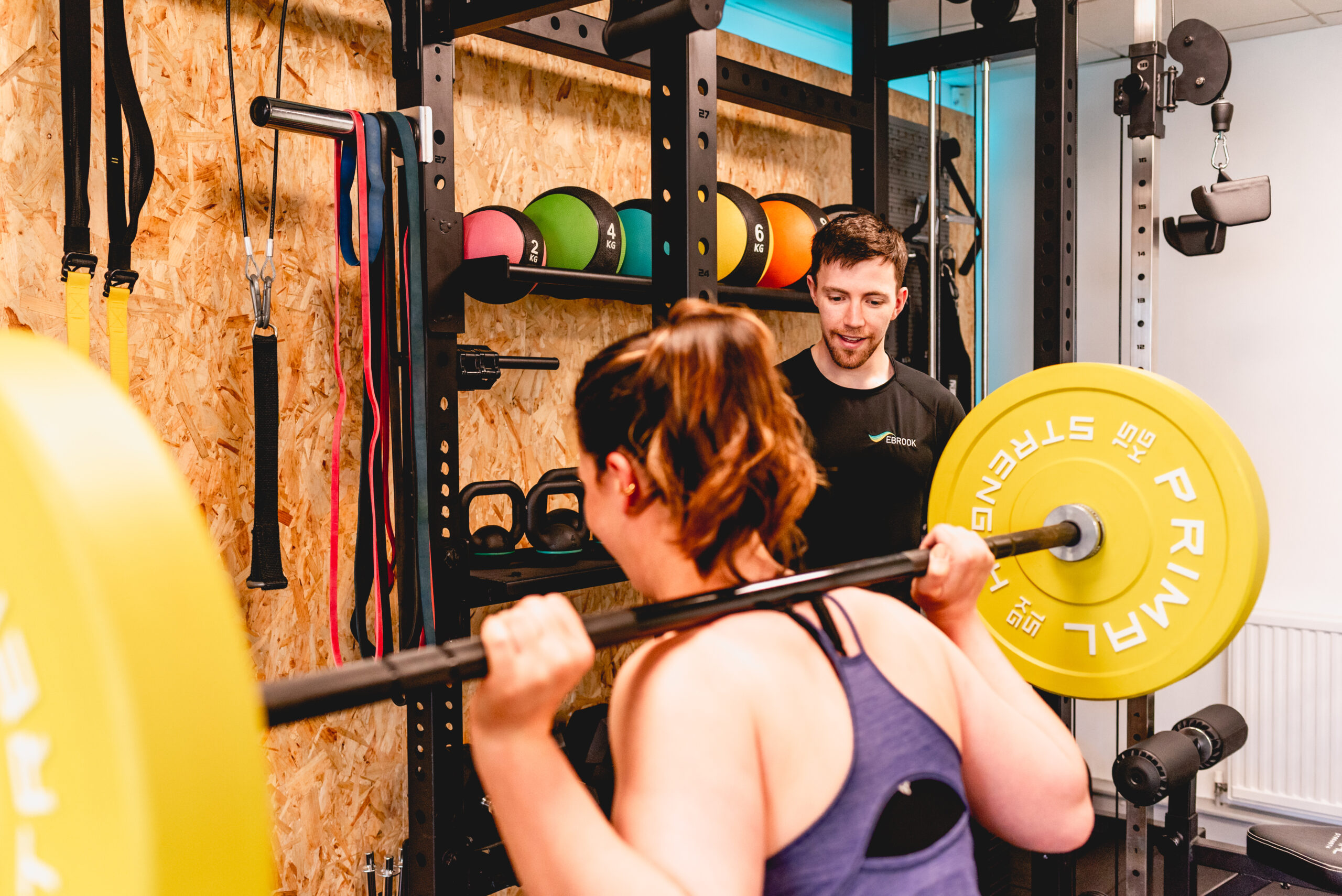
Urinary incontinence is a common symptom experienced by many women, certain factors such as
age, BMI and parity can increase the chances of experiencing this.
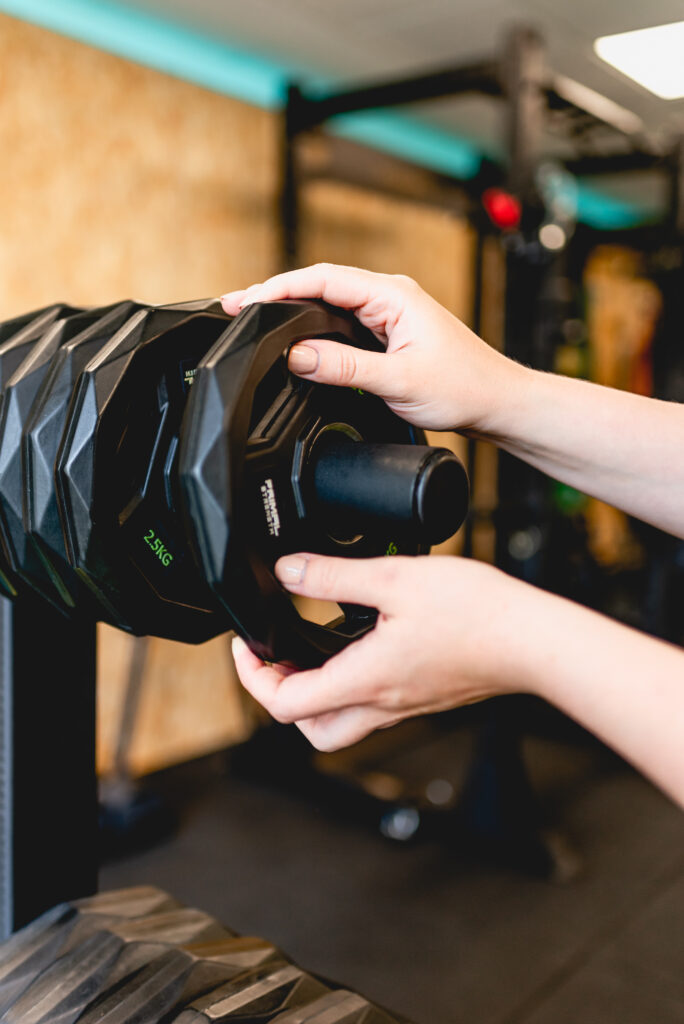
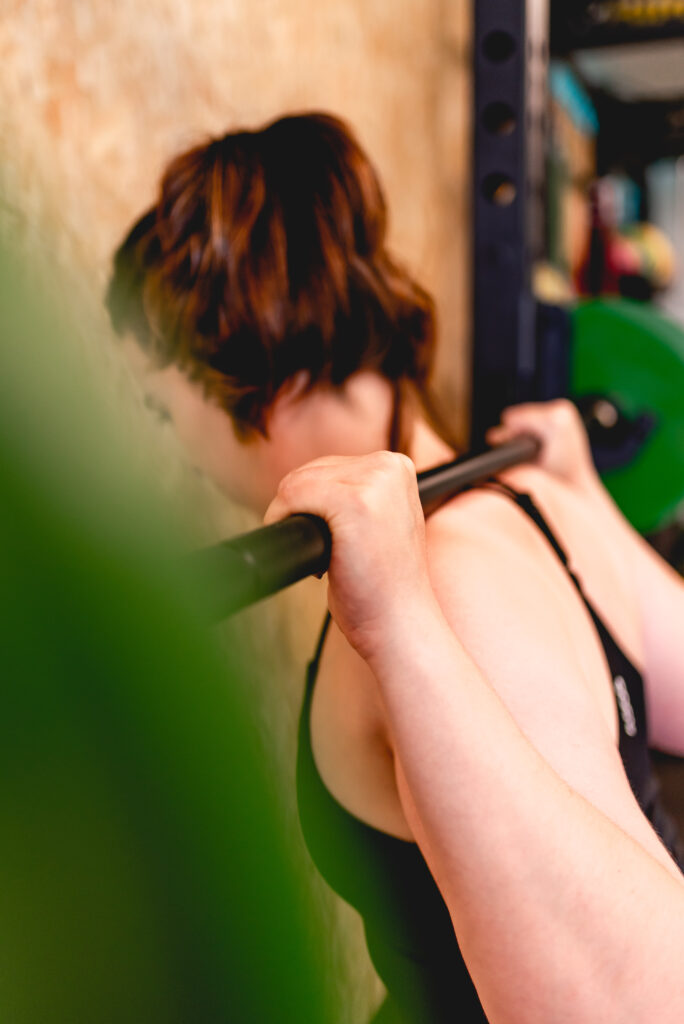
This is a mock case study of a female experiencing urinary leakage when weightlifting.
Emily is a 35-year-old female who is a keen Cross fitter, she particularly likes heavy squats and
deadlifts. On squatting and deadlifting she finds she can get some urinary incontinence. This is a
symptom she only experiences if she’s really laughing hard or lifting weights. Emily first noticed the
leakage during weightlifting a few months ago and has googled pelvic floor exercises as she heard
they help. She thinks she is doing them right.
She has not had children.
Sport and exercise is so important for our health and wellbeing, weightlifting is beneficial for
improving strength, decreasing risk of injury, and improving bone density to name a few (Thomas,
and Burns, 2016). When lifting heavy weights, the intra-abdominal pressure increases whilst bracing
the body to lift the weight (Blazek et al., 2019). The diaphragm and pelvic floor work in unison. If the
pelvic floor is unable to manage the increase in pressure, urinary incontinence can be experienced,
as the muscles are unable to take the load. This is similar to failing a squat, if the load is too great,
you are unable to lift the weight.
Emily has no major medical history and rarely experiences any injuries. The only medication she takes
in an antihistamine for allergies. The most notable piece of information from Emily’s consultation is
that she has suddenly increased the amount of weight training she is doing and the load she is lifting.
To fully assess the pelvic floor an internal examination was necessary. On examination Emily has a
reasonably strong pelvic floor, but it lacks coordination, she struggles to active the muscles when
instructed to do so. Treatment for Emily was focused on improving coordination and giving feedback
to allow her to have an effective pelvic floor squeeze. With an internal examination we would not
have known this information. After a few prompts Emily was able to squeeze on command. Advice
included reducing the weight for a short period of time to allow for the pelvic floor strength to
increase, just like you would for any other injury.
After a couple of weeks Emily found her leaking had improved massively and her pelvic floor strength
and coordination was much improved.
Commonly when people do pelvic floor exercises, they aren’t doing them correctly. Unlike a bicep
muscle, you cannot see if the muscle in contracting. For a female we can use cues such as ‘doing up a
zip from the back to the front’ or ‘imagine sitting in a bath of eels’. These cues can help provide
imagery to aid pelvic floor activation.
Risk factors for urinary leakage when weightlifting include increased age, BMI, and parity (amount of
births), load lifted, body positioning, and fatigue (Wikander et al., 2021). If you experience leakage
when weightlifting, get in touch to see a pelvic health physiotherapist to discuss your symptoms.
References:
Blazek, D., Stastny, P., Maszczyk, A., Krawczyk, M., Matykiewicz, P. and Petr, M., 2019. Systematic
review of intra-abdominal and intrathoracic pressures initiated by the Valsalva manoeuvre during
high-intensity resistance exercises. Biology of Sport, 36(4), pp.373-386.
Thomas, M.H. and Burns, S.P., 2016. Increasing lean mass and strength: A comparison of high
frequency strength training to lower frequency strength training. International journal of exercise
science, 9(2), p.159.
Wikander, L., Kirshbaum, M.N., Waheed, N. and Gahreman, D.E., 2021. Urinary incontinence in
competitive women powerlifters: a cross-sectional survey. Sports medicine-open, 7, pp.1-11.