If you’re working out regularly, you may come to a point where your muscles let you down. Your breathing is strong, you ate well, and nothing hurts… but you feel like there’s no energy in your muscles to power your work out.
This is where you need to think about bringing in self-care routines to help your muscles recover well after exercise. Here are my top 5 ways to help muscles recover after exercise.
Sleep
It sounds so obvious, but sleep is excellent for physical recovery. Getting an early night after doing a heavy work out is one of the best things you can do to help your body recover. Don’t underestimate the importance of sleep for all aspects of health. A well-rested body is more capable in any given sporting activity, so if you’re looking to improve your performance, make sure you get your Zs.
Hydration
Water is vital to almost every body process, and that includes the repair of the natural wear that exercise brings to soft tissue structures like muscles and ligaments. Sweating during exercise depletes our body’s water, which can leave you feeling dehydrated. In order to properly recover and be ready for your next workout, it’s vital to rehydrate.
Salt Baths
Just as exercise depletes water through sweating, it also depletes salt in the body. Salt-balance is an important factor in reducing cramping, so it’s worth paying attention to. Normally we think of salt as the seasoning, sodium chloride – but actually our bodies need lots of different chemicals that count as salts. For muscles, magnesium is really important. This is one of a selected few minerals we can absorb trans-dermally, through our skin. So having a magnesium salt bath after heavy exercise is a great idea to restore your muscles.
Active Recovery
The day after a workout is a great opportunity to take part in some active recovery. Slow, measured exercise like a gentle walk, yoga, or other LISS (low intensity, steady state) activity is the way to go here. Low impact, steady heart rate and preferably a large, smooth range of motion will help to reduce stiffness, and get things moving again during your recovery phase.
Passive Release
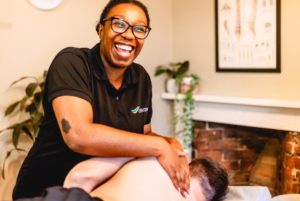
For the long term, investing in some manual therapy to passively restore your muscles is a great idea. You wouldn’t expect any other machine to work flawlessly without a regular service, and your body is no different. A regular appointment with an osteopath or sports massage therapist can help to iron out niggles before they stop your exercise regimen. For people looking to maintain their current fitness routine, we would recommend once in 6 weeks – but for those pushing their physical boundaries, we might recommend a treatment a little more frequently.