
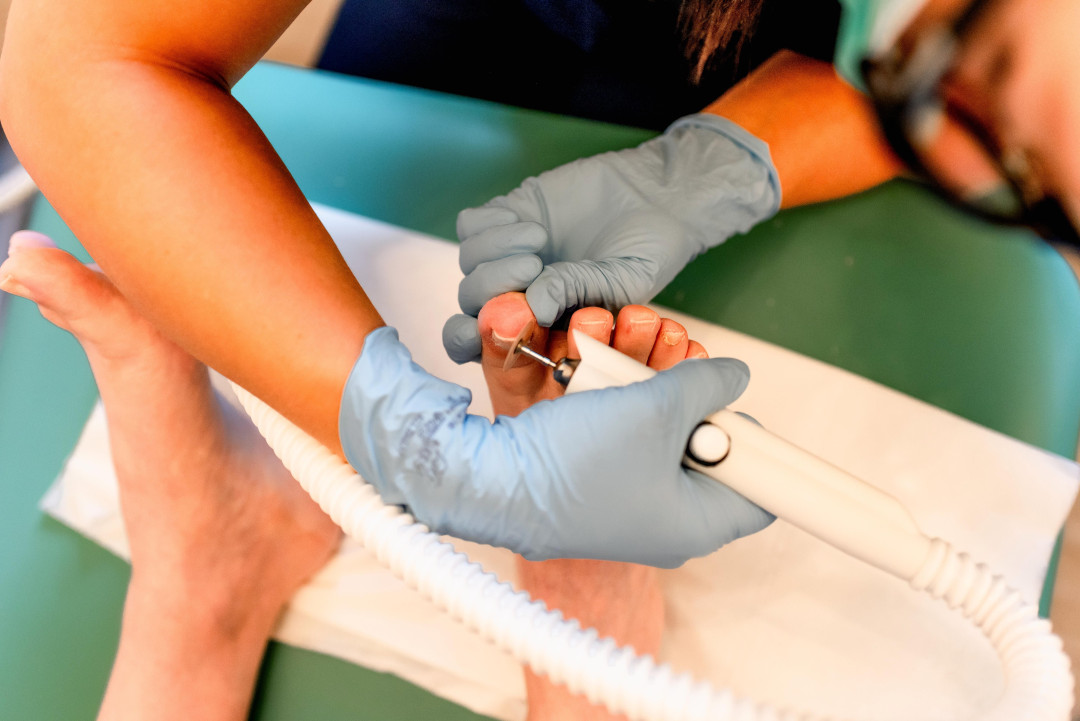
A Foot Health Professional is trained to take care of minor foot aliments and nail care, whereas a Podiatrist is trained to treat more complicated foot presentations, all the way through to minor foot and nail surgeries.
May use a doppler (an ultrasound device) to detect the pulses in your feet, and measure the sensitivity of the nerves in your feet with some clinical tests.
They will assess the condition of your skin and nails, and ask you lots of questions about your footwear and the health of your feet.
Once they have established this information, they will begin treating your feet. Your Practitioner will remove any hard skin or calluses, trim and file your nails, and begin treating any corns, verrucae or fungal nail conditions that you may need help with. Your feet will be moisturised and massaged to promote good circulation, and you’ll be able to ask your podiatrist any questions about footwear, insoles, or how to help continue to care for your feet at home.

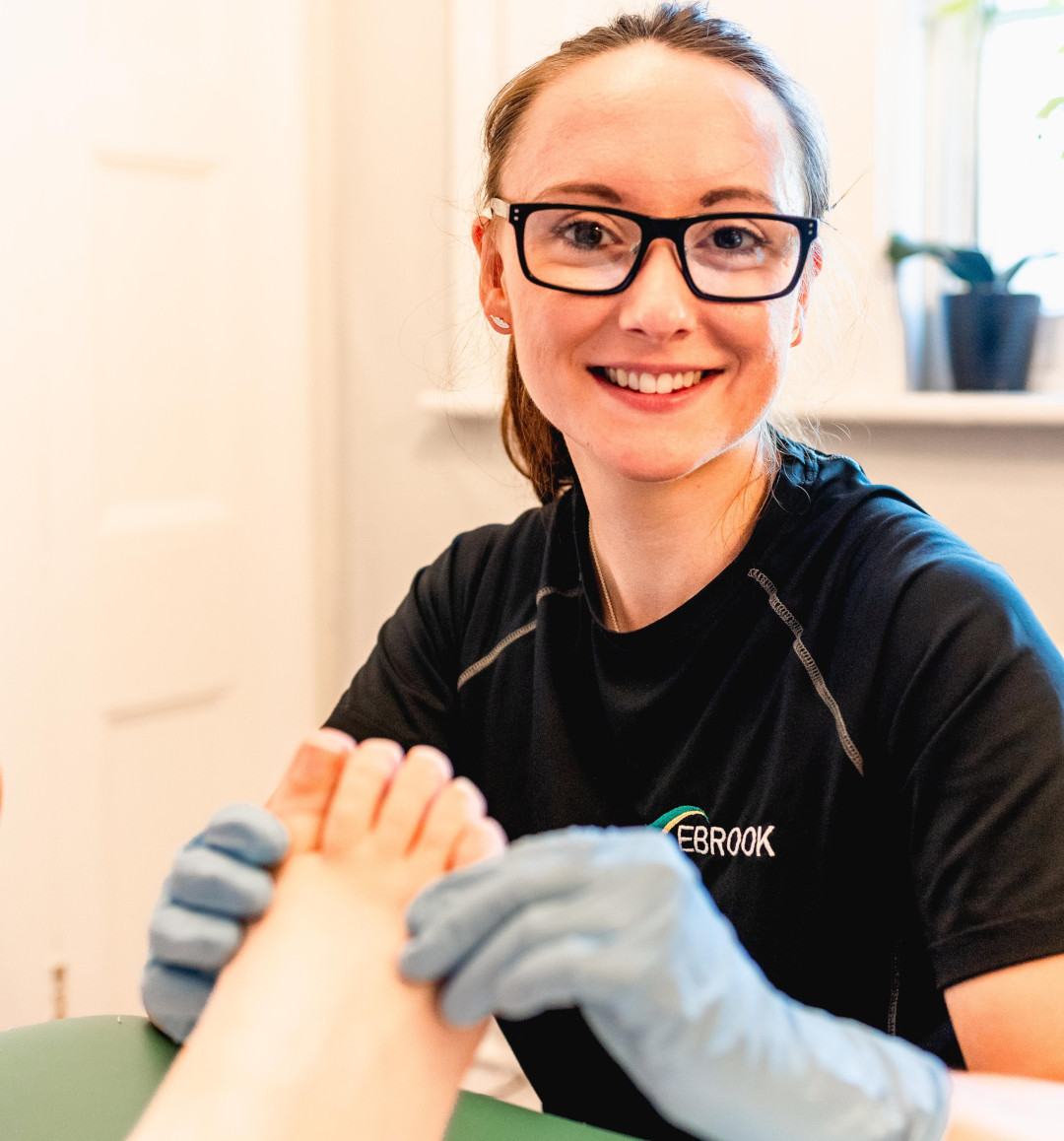
If your podiatrist has recommended partial or complete toenail removal, we will book you a nail surgery appointment. We set aside a large portion of time for these appointments to make sure your practitioner can take their time and work safely to remove the toenail, treating the nail plate as needed.
Your Podiatrist will use a local anaesthetic injection to numb the area before removing any tissue that could cause pain. We work according to the safest possible practices, making sure you are comfortable all the way through the procedure.
Before your nail surgery, your Podiatrist will require an appointment to assess the affected nail and communicate any relevant risks to you. You will be sent home with some paperwork to review, detailing any steps you need to take before, during and after the nail surgery.
Nail surgery is an excellent treatment option for long-established nail fungus, ingrown toenails, damaged toenails, or convoluted toenails.
If you think you need nail surgery, please book an initial appointment with the podiatrist for an assessment, and to talk through the benefits and potential draw backs of different surgical approaches to your issue.
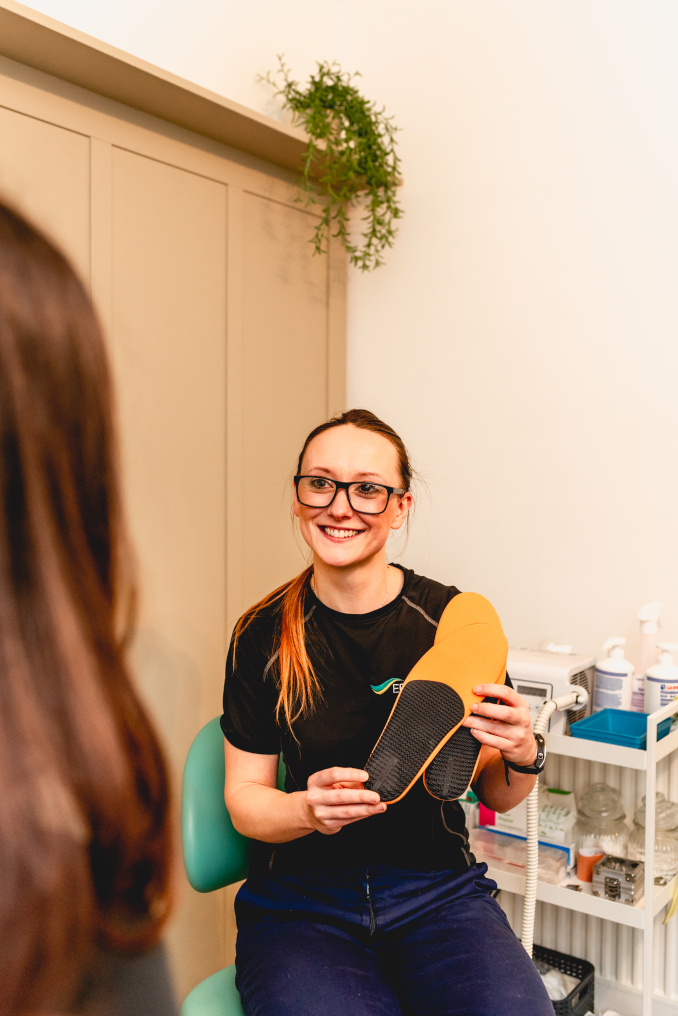
Podiatrists can perform minor nail surgeries, with the use of a local anaesthetic injection. There are long waiting times for these procedures on the NHS, and because ingrown toenails can have a big impact on your movement and quality of life, our team seek to make sure you can have access to these procedures when you need them.
Yes! Your prodiatrist will remove any calluses and hard skin build up using their scalpel and a filing bit on their high-speed drill. This is not a painful process, as they will only remove dead skin. Many people like to remove hard skin for aesthetic reasons, but it also helps your feet to feel more comfortable and prevents the formation of corns.
Most health insurance policies will cover Podiatry, as it is a recognised and regulated Allied Health Profession. Make sure to check with your individual provider about the details of your policy before starting your treatment.